Winter driving in Ontario means sharing the road with millions of tonnes of de-icing salts. While this keeps highways safe during Canadian winters, road salt car damage Ontario drivers deal with every year costs thousands in repairs and lost vehicle value. The same salt that melts ice also accelerates the rusting process on your car’s metal, paint job, and vital mechanical components. Knowing how salt harms your vehicle and how often to wash it off can save you serious money and keep your car safe throughout the winter driving season.
How Road Salt Attacks Your Vehicle
Road salt works by lowering the freezing point of water. When salt hits ice, it triggers a chemical reaction that melts frozen surfaces and stops new ice from forming. Great for safe driving—but terrible for your car.
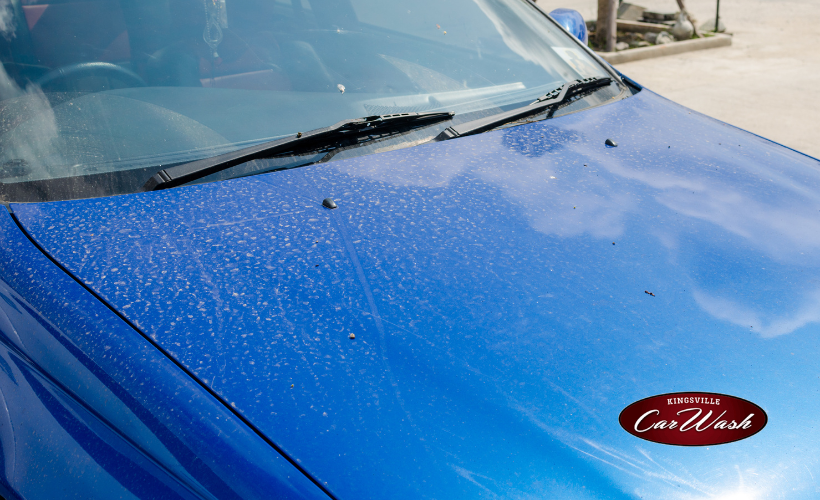
When salty slush splashes onto your vehicle, salt crystals get into every gap, seam, and joint. Unlike plain water that dries up, salt crystals stick around. Even after surfaces look dry, the residue keeps pulling moisture from the air, causing rust formation that continues eating away at metal. This means paint deterioration and corrosion never really stop during winter months.
Your Undercarriage Takes the Biggest Hit
The bottom of your car faces the worst salt exposure. It sits closest to the road surface, catching direct splashes from every puddle and slush pile you drive through. Important parts like brake lines, fuel lines, exhaust pipes, shock absorbers, and suspension components get hammered with salt constantly—and they lack the paint protection that covers your car’s body panels.
The problem grows worse over time. Surface rust becomes scale rust, then penetrating rust that digs deeper into metal structures. Eventually this weakens parts that keep you safe. Rusted brake lines can fail suddenly. Corroded suspension parts affect how your car handles. A deteriorating exhaust system means expensive collision repair down the road.
Warning Signs of Salt Damage
Catching salt damage early prevents small problems from becoming costly repairs. Schedule a winter inspection and check your vehicle regularly for these signs:
- Paint bubbling or peeling near wheel wells, door edges, and lower body panels indicating damage to your vehicle’s paint system
- Scale rust spots (orange or brown patches) appearing on body panels or trim
- White crusty buildup on surfaces after winter drives
- Doors that stick or locks that feel stiff from salt getting inside
- Brake issues that could signal corroded brake parts
- Penetrating rust on metal parts when you look underneath the car
If you spot any of these problems, salt has already started damaging your vehicle. Quick action through proper washing and undercarriage cleaning can stop the damage from spreading.
How Often Should You Wash Your Car in Winter?
Car care experts say you should wash your vehicle at least every ten days during winter. But some situations call for washing sooner to prevent faster corrosion.
Times When You Should Wash Right Away
Certain conditions mean your car needs immediate attention. After driving through heavy snow where plows have just treated the roads, your vehicle carries peak salt levels. Long highway trips during winter also coat your car with continuous salt spray from other vehicles and treated pavement. Even using ice scrapers on salt-covered windows can spread corrosive residue.
Temperature changes matter too. When the thermometer climbs above 4°C (40°F), the salt on your car becomes more active and corrosive. These warmer winter days are perfect for washing—and also when salt does its worst damage if left on your vehicle.
Smart Winter Washing Tips
Getting the timing right makes your wash more effective. Wash during daylight when temperatures stay above freezing so your car has time to dry before nightfall. A high-pressure undercarriage wash is essential for removing salt from hard-to-reach areas. After washing, open and close all doors, the trunk, and hatch a few times. Work the door locks back and forth to keep them from freezing shut.
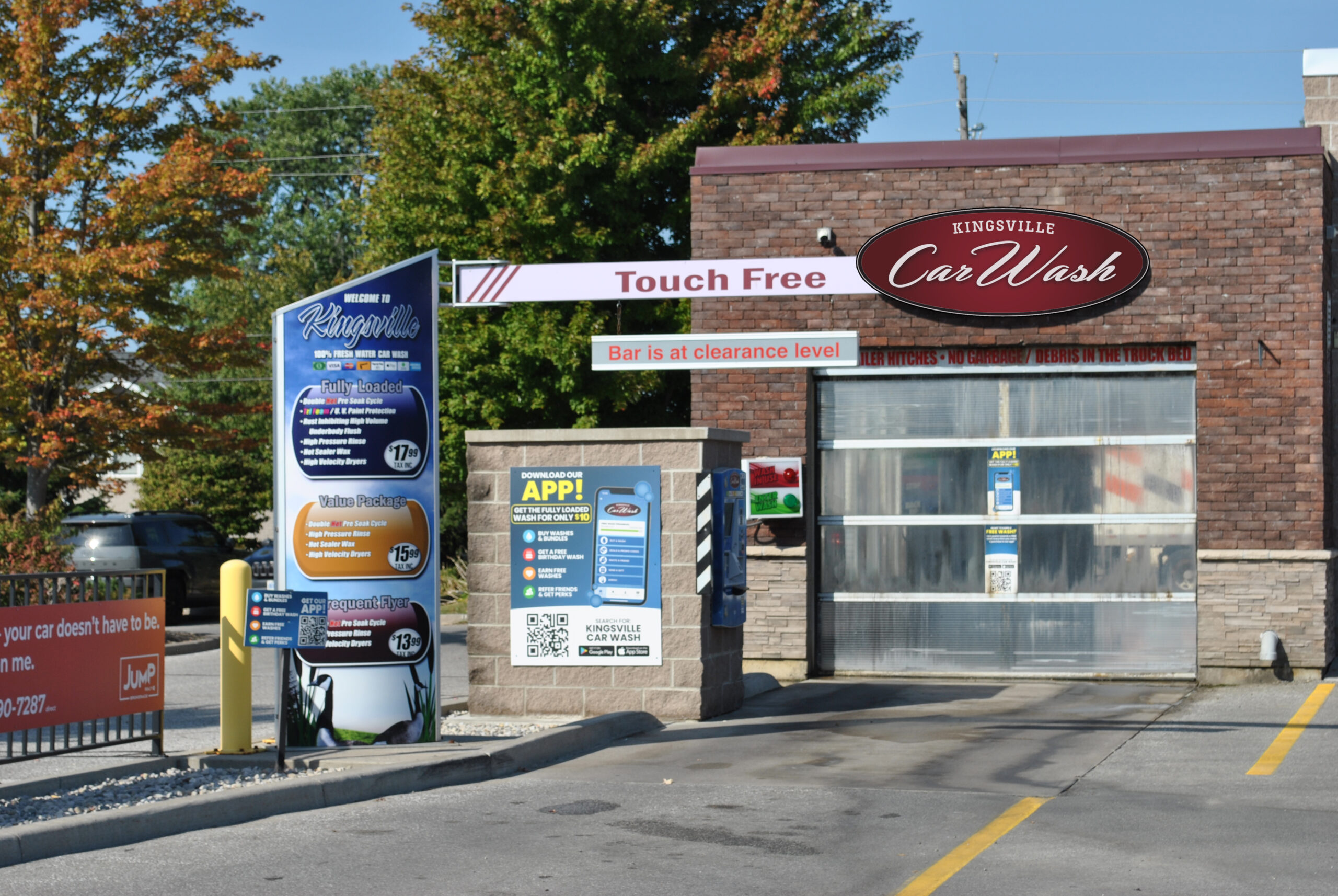
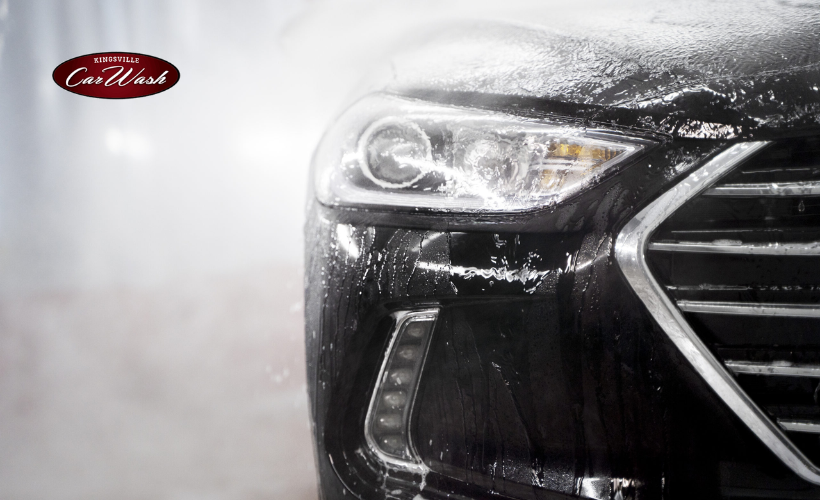
Kingsville Car Wash provides touchless wash bays with thorough undercarriage cleaning that removes salt without rubbing particles into your paint. This touchless approach works especially well in winter because it delivers effective undercarriage cleaning without scratching salt-covered surfaces.
Protect Your Car Before Winter Hits
The best defense against road salt is protecting your vehicle before the season starts. Taking steps early creates barriers that keep salt away from vulnerable surfaces.
Undercoating and Rustproofing Options
Professional rustproofing involves applying protective coatings to your car’s undercarriage, wheel wells, and hidden body cavities. Several options exist for different needs. Oil-based rustproofing works into seams and joints, pushing out moisture and stopping rust before it starts. Rubberized undercoating creates a thick barrier on exposed undersides. Cavity waxes protect inside door panels and rocker sections. A wax-based compound offers additional protection for visible surfaces. Getting treatment done yearly keeps protection strong throughout your car’s life.
Protecting Your Paint
Your car’s paint job and clear coat act as the main shield for body panels. Any chips or scratches expose bare metal to salt attack, so fixing paint damage before winter is important. Adding protective wax or ceramic coating creates another layer that repels salt and water. Professional detailing before winter ensures your vehicle’s paint system gets maximum protection while making future washes more effective.
Parts That Need Extra Care
Some vehicle components face higher rust risk and need more attention during winter months.
Brake System and Mechanical Components
Brake lines, calipers, and rotors stay constantly exposed to road salt spray. Rusted brake lines create real safety dangers—if a brake line fails from rust, it can happen without any warning. Having auto service technicians check your brakes regularly can catch early corrosion before it becomes dangerous.
Doors and Seals
Salt works its way into door edges, hinges, and rubber seals. Beyond causing rust, this buildup can freeze doors shut and damage the rubber strips that keep water out. Cleaning door jambs regularly and treating weatherstripping with protectant keeps everything working properly.
When Salt Damage Gets Serious
Sometimes rust goes beyond what washing and prevention can fix. If you notice advanced scale rust or penetrating rust on structural parts, it’s time to visit an auto body shop. Professional detailing can address surface issues, but severe corrosion may require paint correction to restore damaged finishes. An auto body shop offering full auto body repair services can assess whether you need paint restoration, paint correction, or rust converter treatment to stop active corrosion.
Rust converter chemically transforms existing rust into a stable surface that can be painted over. This treatment works well for moderate damage before it reaches critical components. Auto service technicians can determine if rust converter application will solve the problem or if more extensive collision repair is needed.
The Real Cost of Ignoring Salt Damage
Skipping winter car care hits your wallet hard. Small rust spots needing simple cosmetic fixes might cost a few hundred dollars. But letting corrosion reach critical parts like brake lines, fuel systems, or structural supports can mean repair bills in the thousands. Paint restoration alone can run hundreds if salt causes significant paint deterioration.
Rust damage also crushes your resale value. Buyers know that visible corrosion usually means more hidden damage underneath. Cars with rust history sell for much less no matter what else is in good shape. Regular salt removal protects both your safety and your investment.
Keep Your Car Protected This Winter with Kingsville Car Wash
Defending your vehicle against the road salt car damage Ontario winters bring takes regular effort and proper cleaning. Kingsville Car Wash makes winter car care easy and effective with touchless wash bays open daily from 5 a.m. to midnight. Located at 281 Main St E in Kingsville, Ontario, their modern equipment delivers thorough cleaning that reaches every spot where damaging salt builds up. Download their mobile app to buy bulk wash packages, track your washes, and earn rewards that make regular winter maintenance more affordable. Don’t let road salt destroy your investment—visit Kingsville Car Wash today and give your car the protection it needs all season long.